

3D MEASURING

三次元測定機

This is the product list page for CMMs provided by Tokyo Boeki Techno Systems. Tokyo Boeki Techno Systems (TTS) supports your smart manufacturing construction with measurement engineering.

Types and Features of Coordinate Measuring Machines

There are various types of coordinate measuring machines. Here, we introduce their key features and typical applications.

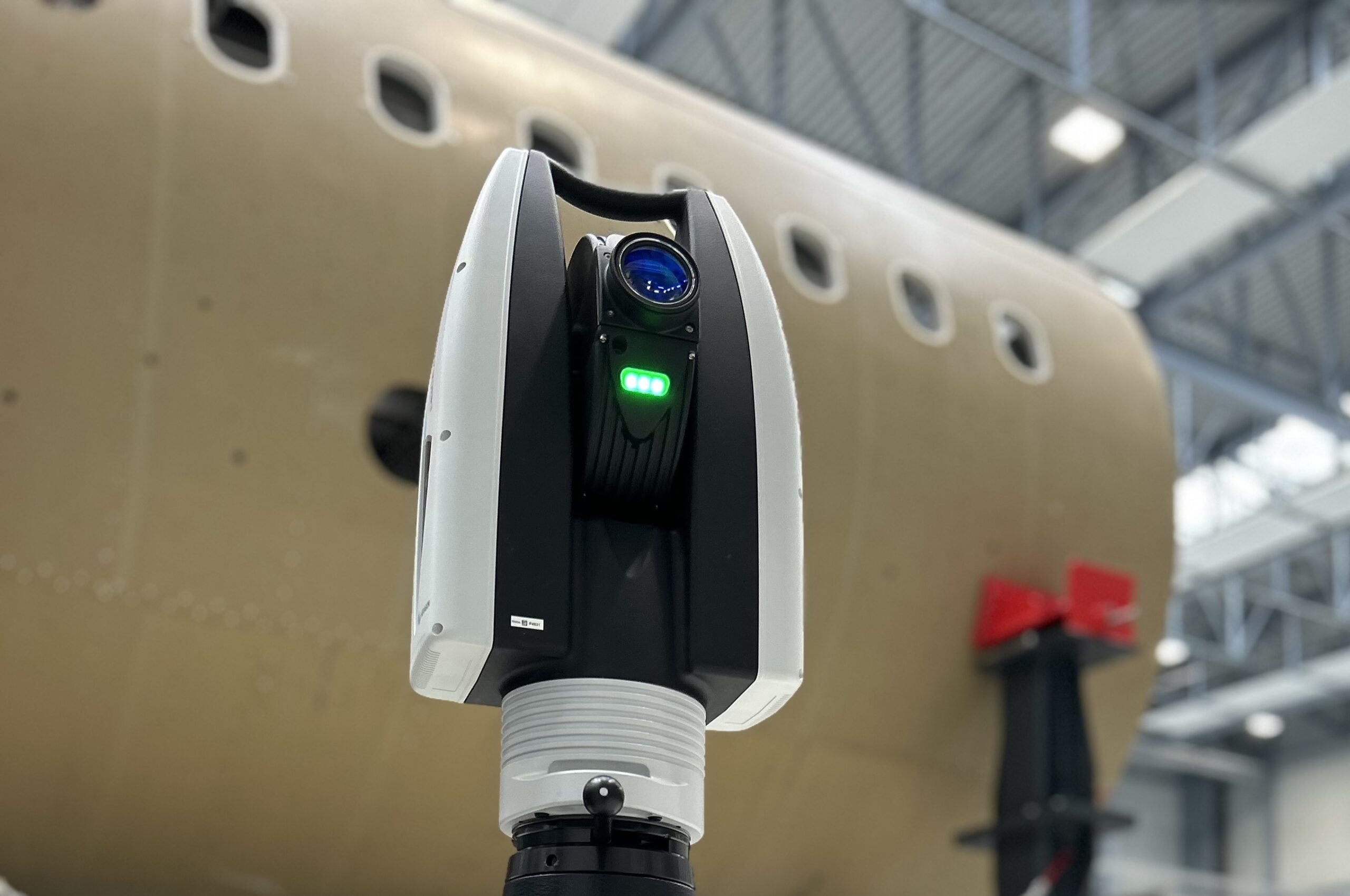
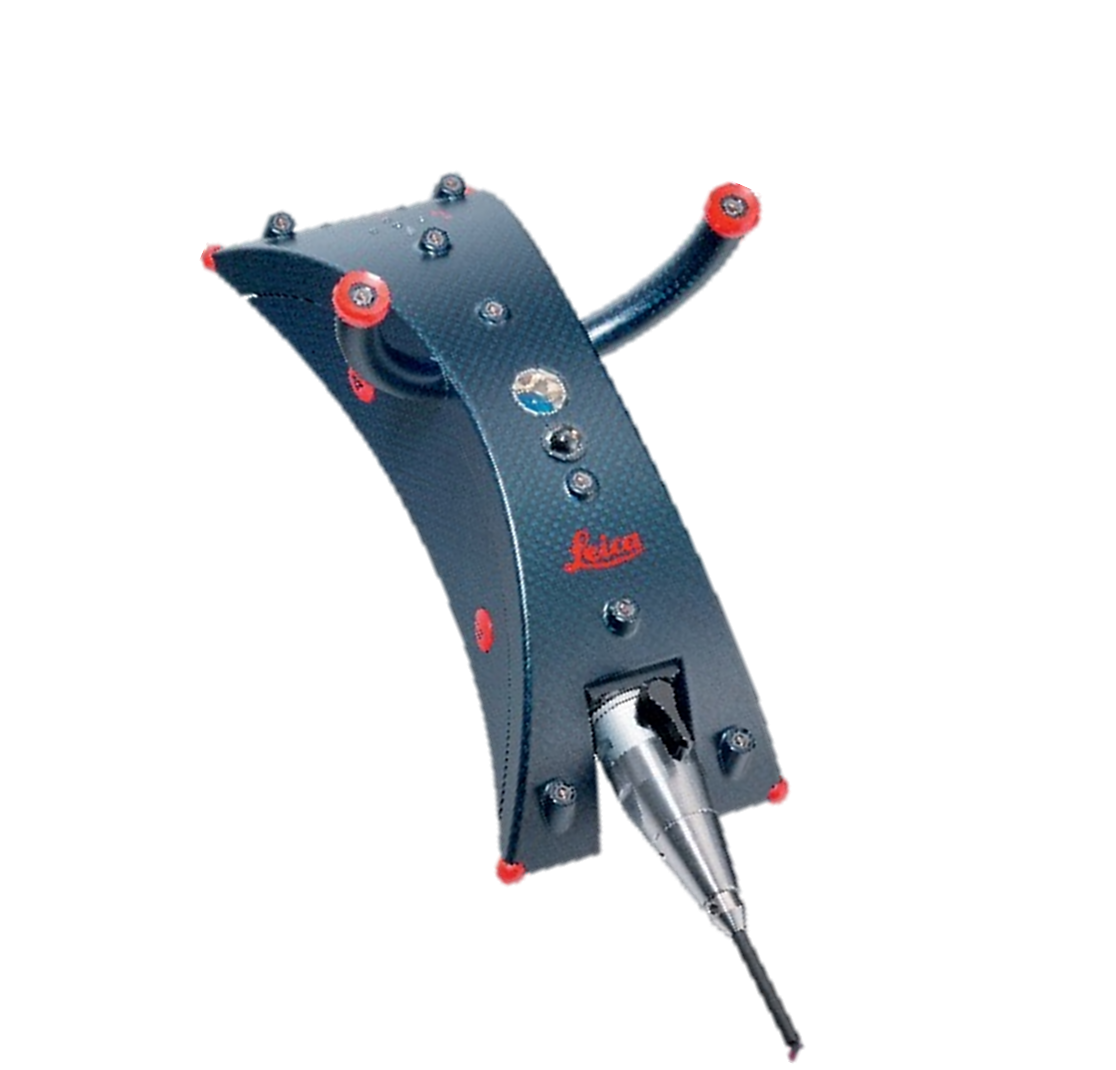
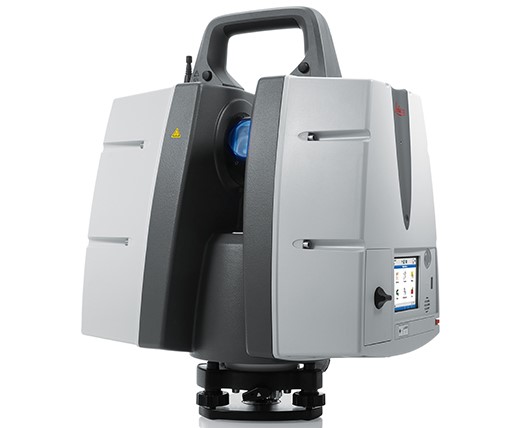
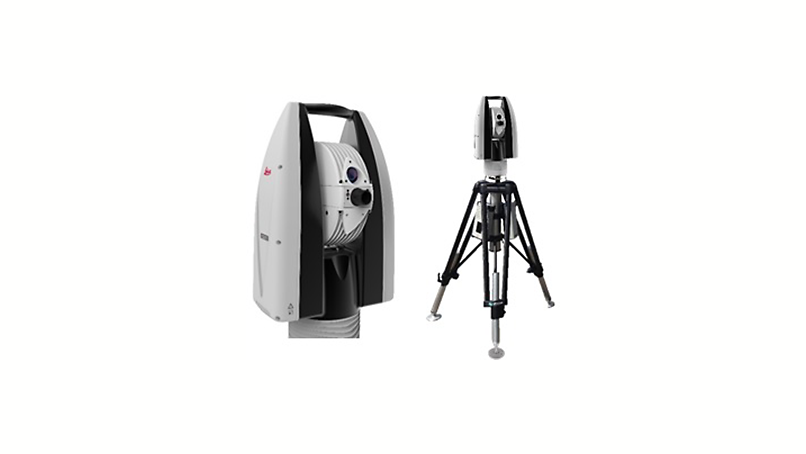
Laser Trackers

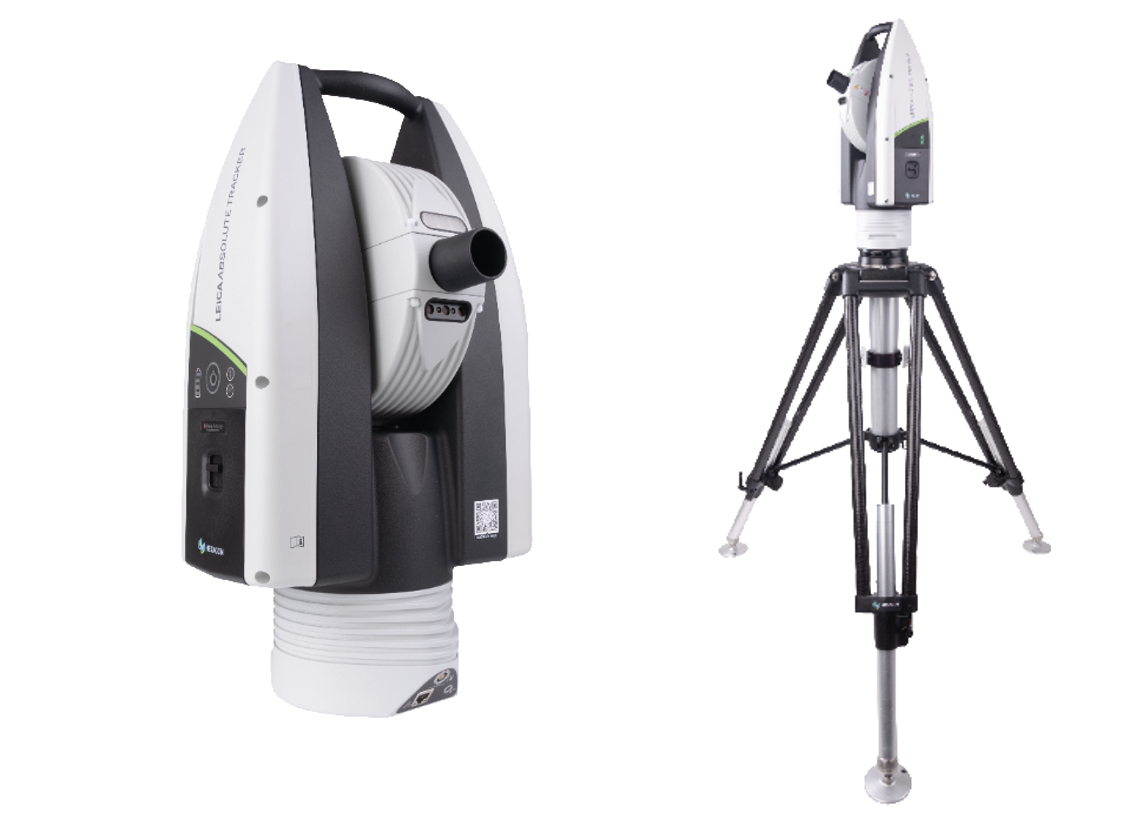
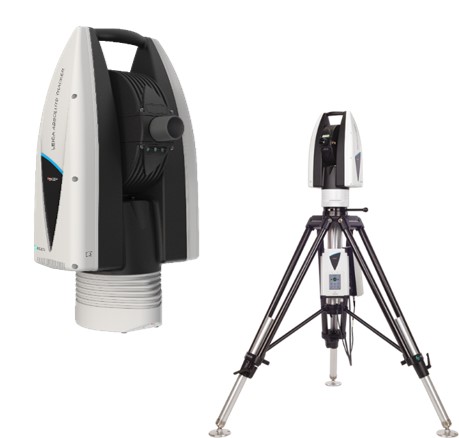
Laser trackers measure 3D coordinates by tracking a laser beam reflected from a spherical reflector placed on the target.
They are portable and flexible compared to bridge-type or tabletop CMMs, enabling high-accuracy measurement over large areas. Laser trackers are widely used in industries such as construction, heavy manufacturing, automotive, railway, and aerospace.

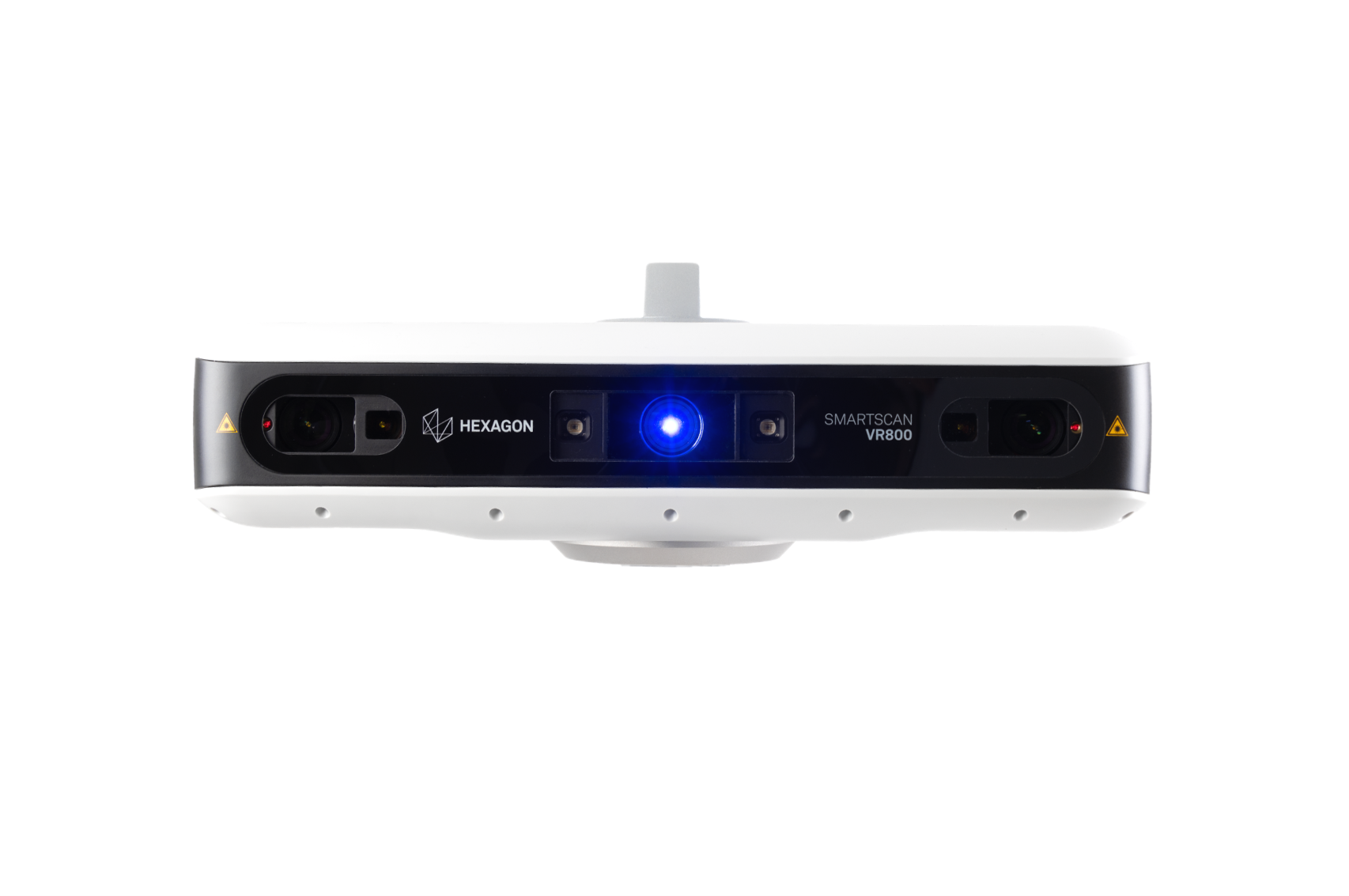
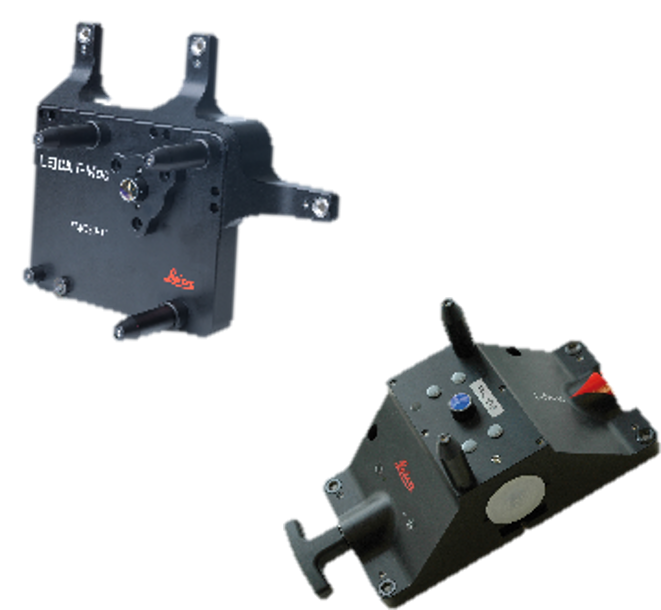
Camera-Based 3D Scanners

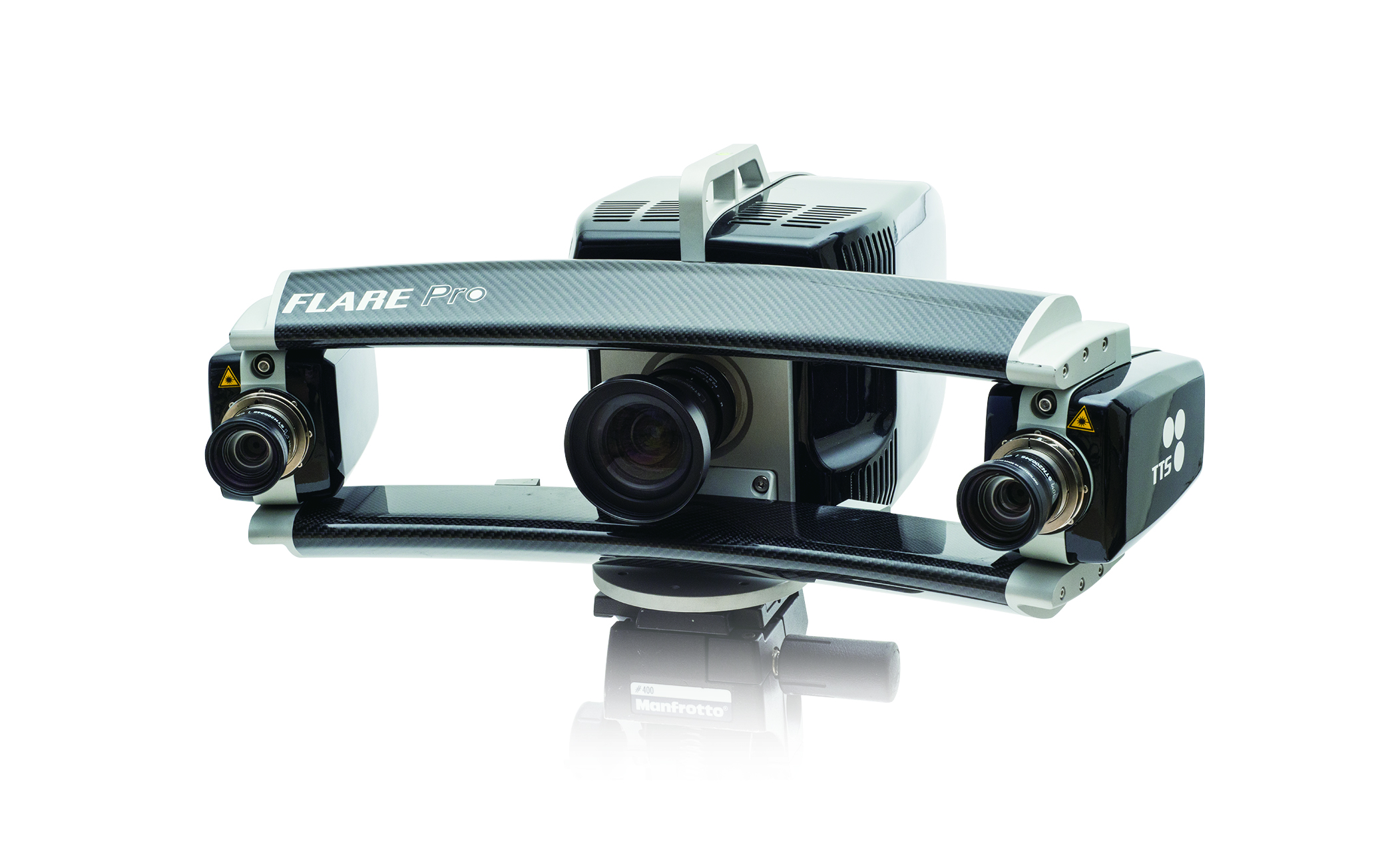
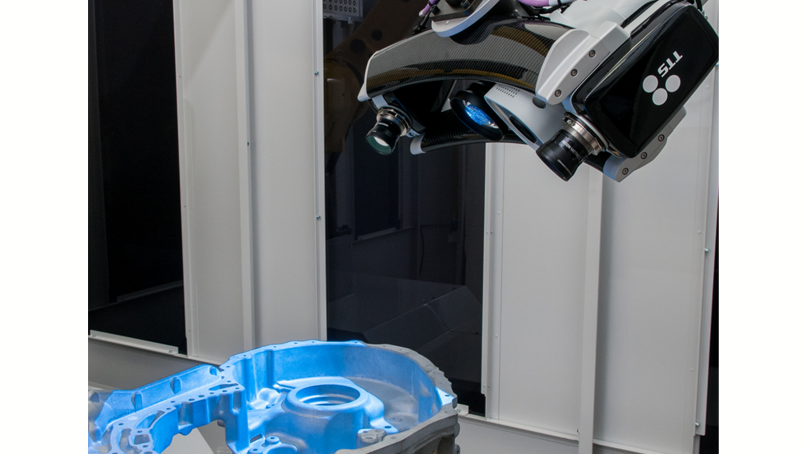
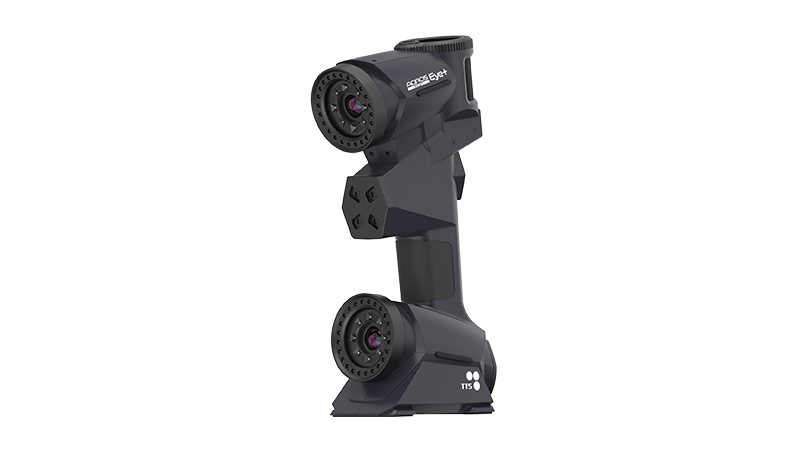
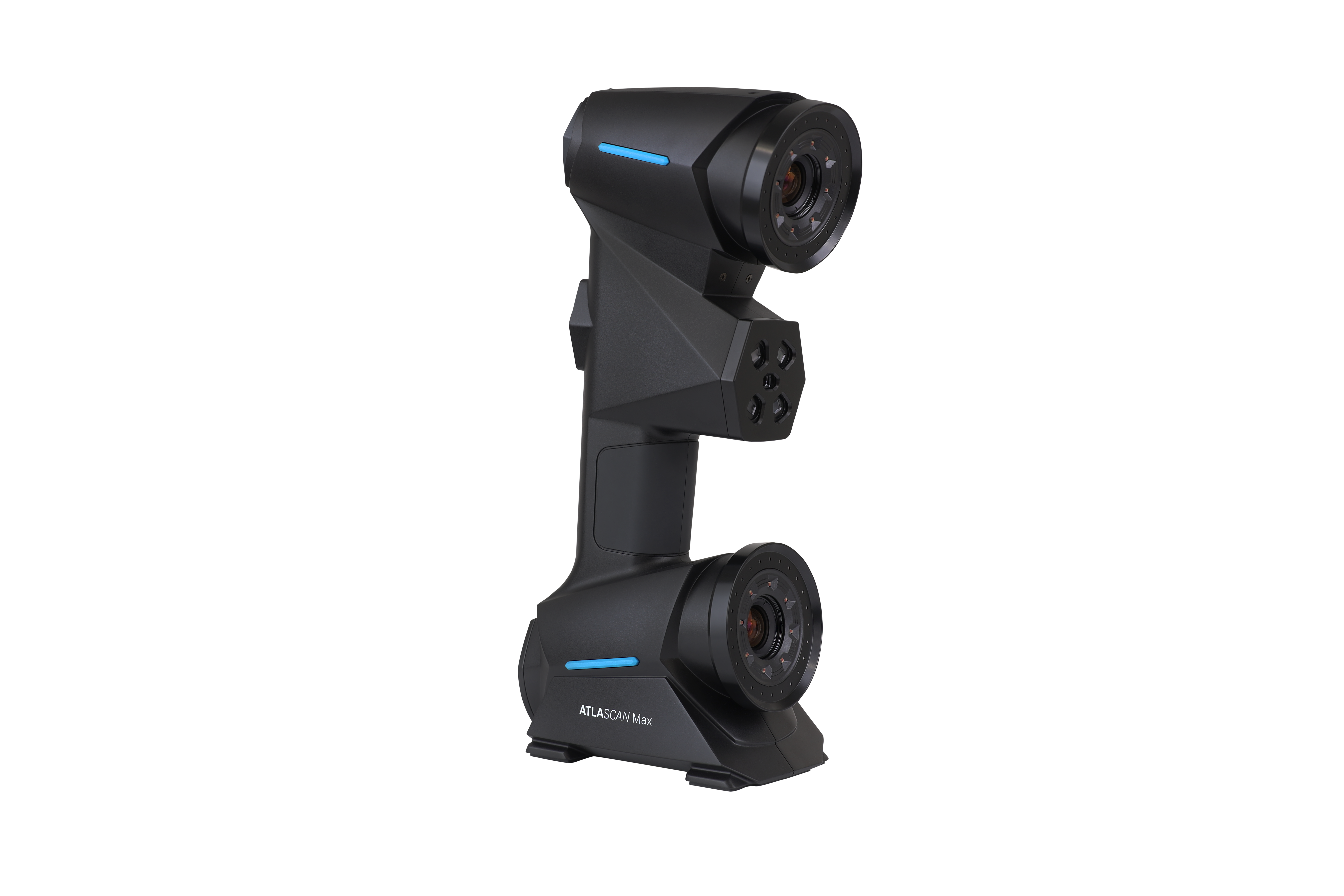
Camera-based 3D scanners capture the surface shape of an object using cameras to obtain non-contact measurement data. A projected pattern is recorded by the cameras, and 3D coordinates are calculated using triangulation to generate the surface geometry.

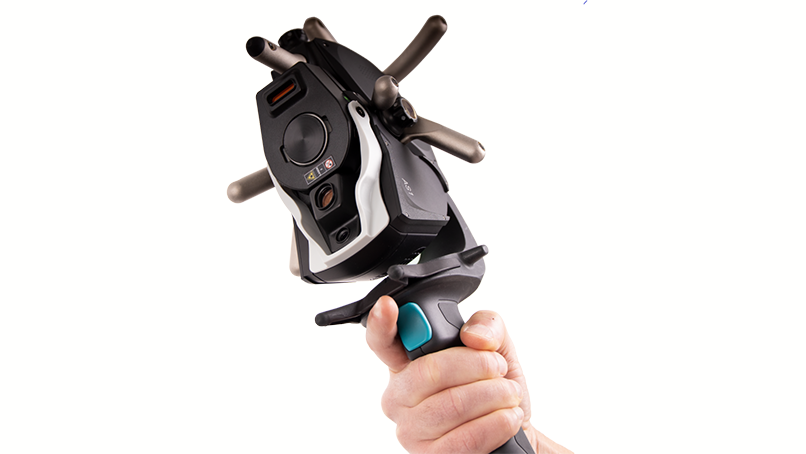
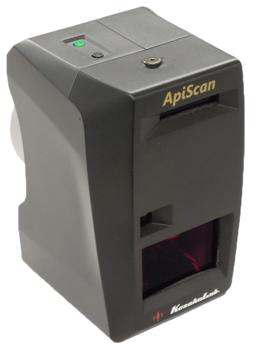
Handheld 3D Scanners

Handheld 3D scanners are highly portable and easy to use. Some models are lightweight enough to carry like a laptop, and fully wireless options improve usability and workflow efficiency.

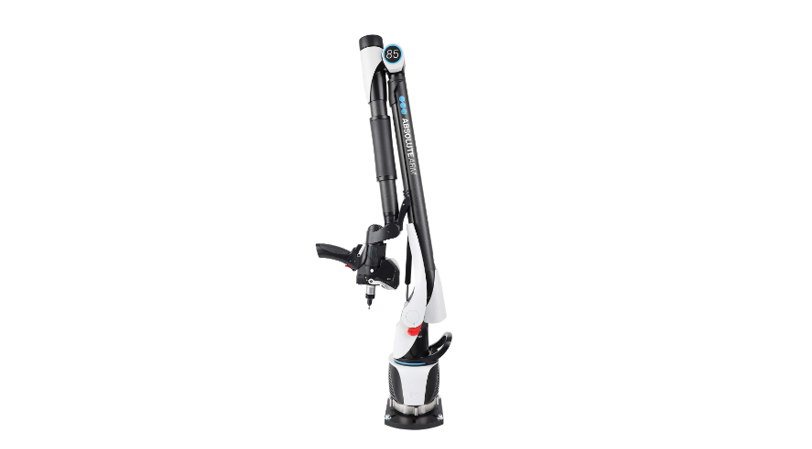
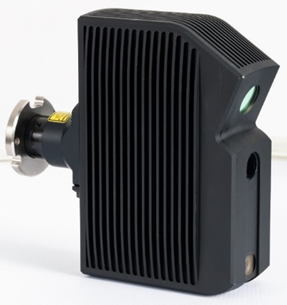
Articulated Arm CMMs

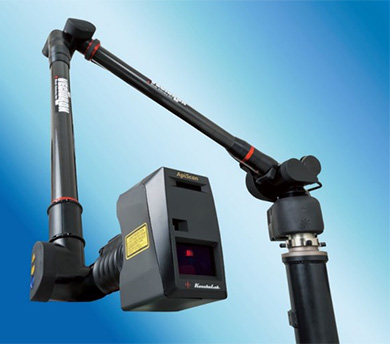
Articulated arm CMMs measure 3D coordinates using a probe or laser scanner mounted on a multi-jointed arm. Encoders in each joint track movement and angle to determine the position of the scanner.
They can measure without target markers and are relatively compact and portable, making them easy to use directly on the shop floor.

How to Choose a Coordinate Measuring Machine

Choosing a coordinate measuring machine requires selecting the right model for the object and application. Below, we explain key points to help you identify the most suitable type.
 

  • Contact or Non-Contact Measurement

Contact-type coordinate measuring machines use a probe that touches the object, making them suitable for measuring shapes that are difficult for laser light to reach. They are ideal for deep holes, angled holes, and parts with side surfaces.
While contact measurement offers high accuracy, it is not suitable for objects that may deform under pressure.
Non-contact systems are suitable for large objects or applications requiring measurement over wide areas in a short time. Depending on the model, some systems can measure from a distance. Since they use laser light or similar methods, they do not damage the object and can measure soft or organic materials that deform easily.
 

  • Balance Between Functions and Cost

Coordinate measuring machines range from affordable models to high-end systems costing tens of millions of yen. When selecting a machine, clarify the required functions, object size, and unnecessary features, then narrow down your options.
In addition, ongoing costs such as calibration and maintenance should be considered after installation.
If you are unsure which machine to choose, please feel free to contact us for consultation.
 

  • Measurement Time

Small parts can be measured manually, but depending on the number of measurement points, this can take a significant amount of time. Coordinate measuring machines generally allow measurements to be completed in a much shorter time, though this varies by model.
 

  • Understand Measurement Limitations

Some non-contact coordinate measuring machines may have difficulty measuring black or glossy surfaces. In some cases, applying an anti-reflection spray can help, so we recommend confirming the measurement method before installation.

Case Studies

Explore real-world examples of how our coordinate measuring machines are used.

HARA SEISAKUSHO LTD.

Since 2008, Hara Manufacturing has operated as a reverse engineering company, providing on-site and contract measurement services using 3D scanners. The company is equipped with a wide range of measurement systems, including optical devices and methods using markers and X-ray technology, allowing it to meet diverse customer needs.

In particular, after introducing a non-contact coordinate measurement system—the Leica laser tracker—in 2017, Hara Manufacturing significantly expanded its measurable range. This enabled the company to accept projects that were previously not feasible.

Previously used flagship machines had size limitations, and measuring objects over 10 meters required considerable time and manpower for setup. The Leica laser tracker was selected for its ability to quickly measure and process large-scale data, making previously impossible measurements achievable.

Hara Manufacturing handles not only reverse engineering projects that recreate products from measurement data, but also many assignments that require accurate spatial measurement. By leveraging the laser tracker’s strength in dynamic tracking, the company supports tasks such as line and machine alignment, as well as reviewing robot paths and positional relationships in production processes.

For more details, please see the full case study.

HARA SEISAKUSHO LTD.

NATIONAL INSTITUTES FOR QUANTUM AND RADIOLOGICAL SCIENCE AND TECHNOLOGY (QST)

The National Institutes for Quantum Science and Technology (QST) is advancing research toward the practical use of fusion reactors. In the upgrade of the superconducting tokamak “JT-60SA,” carried out through Japan–U.S. collaboration, a Leica laser tracker played an important role in assembly.
JT-60SA is a large, high-precision system that requires extremely accurate assembly of large components, with allowable errors of less than 1 mm. Using a laser tracker connected wirelessly to a computer, engineers were able to check coordinates in real time and efficiently align components with high accuracy.

For more details, please see the full case study.

NATIONAL INSTITUTES FOR QUANTUM AND RADIOLOGICAL SCIENCE AND TECHNOLOGY (QST)

TOKYO TEKKOTSU KYORYO CORPORATION (current company name: FaB-Tec Japan Corporation)

Japan Fabtech designs and manufactures large steel structures for bridges and buildings. By introducing a Leica Laser Tracker–based solution, the company doubled its daily measurement capacity and enabled one-person operation.

For more details, please see the full case study.

TOKYO TEKKOTSU KYORYO CORPORATION (current company name: FaB-Tec Japan Corporation)

FAQs

Here are answers to common questions about coordinate measuring machines.

Using a coordinate measuring machine reduces measurement time and ensures accurate, consistent results regardless of operator skill. It also enables 3D data capture for quality control, comparison, and reverse engineering.

The accuracy shown in catalogs is based on standardized measurement methods, so the same accuracy may not always be achieved in actual working environments. It is important to confirm whether the required accuracy can be achieved in practice through an on-site demonstration.

Even after thorough demonstrations, actual operation may not go smoothly once the system is in use. It is important to choose a supplier that provides ongoing support, not just installation.
Tokyo Boeki Techno-System offers careful support both before and after installation. Please feel free to contact us.

PAGE TOP